
What usually gets checked
The first look is not only the broken brick. The joints, nearby cracks, moisture pattern, and any visible movement help decide whether individual brick replacement is enough.
Brick repair
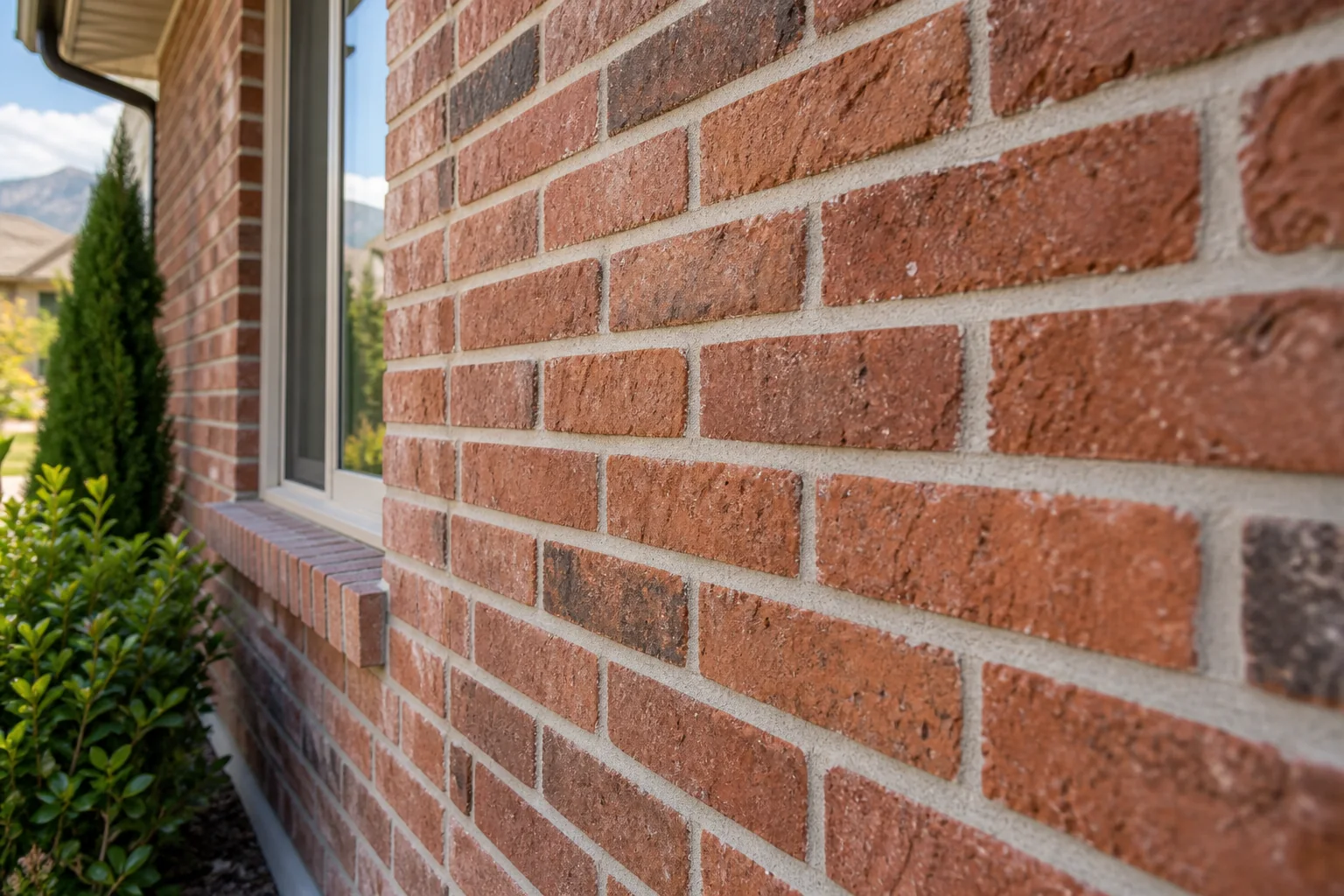
Broken brick, open mortar, and damaged corners can usually be corrected without making the repair stand out from the street.
Masonry service
Cracked brick, spalled faces, damaged corners, and loose sections can come from water, movement, impact, age, or poor previous work. Rockn-It looks at the visible damage, the surrounding mortar, and whether the wall is still moving before recommending a repair scope.
Common needs
Broken or missing brick
Open joints around the damaged area
Corner and edge damage
Matching brick color, size, and texture
What to know
The first look is not only the broken brick. The joints, nearby cracks, moisture pattern, and any visible movement help decide whether individual brick replacement is enough.
A repair can be technically sound and still look wrong if the replacement brick is too clean, too red, too smooth, or the mortar color is off.
If brick is loose across a wider area, a small rebuild may be cleaner and more durable than chasing one broken unit at a time.
Project examples
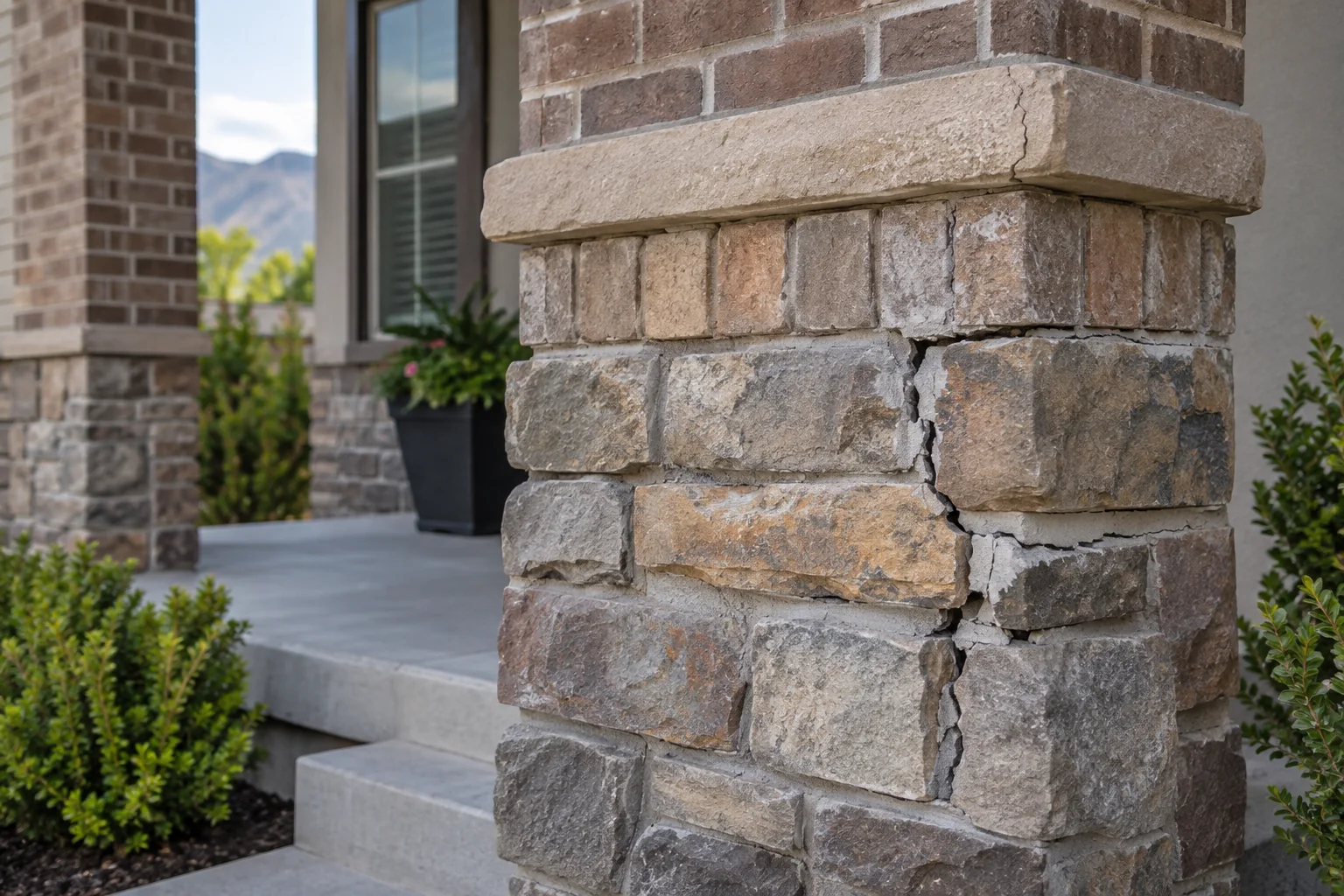
Open joints let water into the wall and often show where the repair should start.
Good brick repair should settle into the existing wall instead of calling attention to itself.
The right scope depends on movement, material match, and the condition around the damage.
Related services
Call Bruce
Call Bruce to talk through what needs repair or what you want built. Photos are helpful if you use the form.